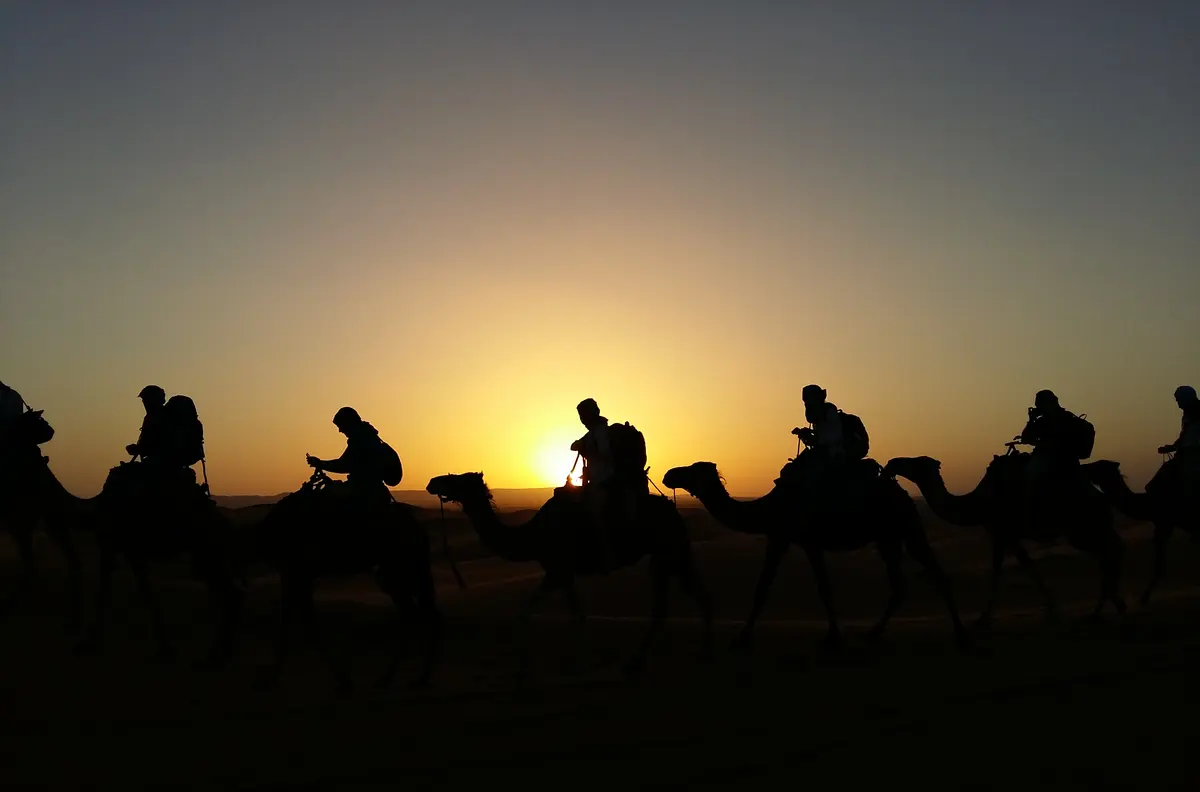
 3 days / 2 nightsSignature route
MarrakechFes
Marrakech to Fes Desert Tour: 3 Days to the Sahara
Cross the High Atlas on the Tizi n’Tichka pass
- 1–16
- Moderate
- 26 Sept
From€155 / per person
View tour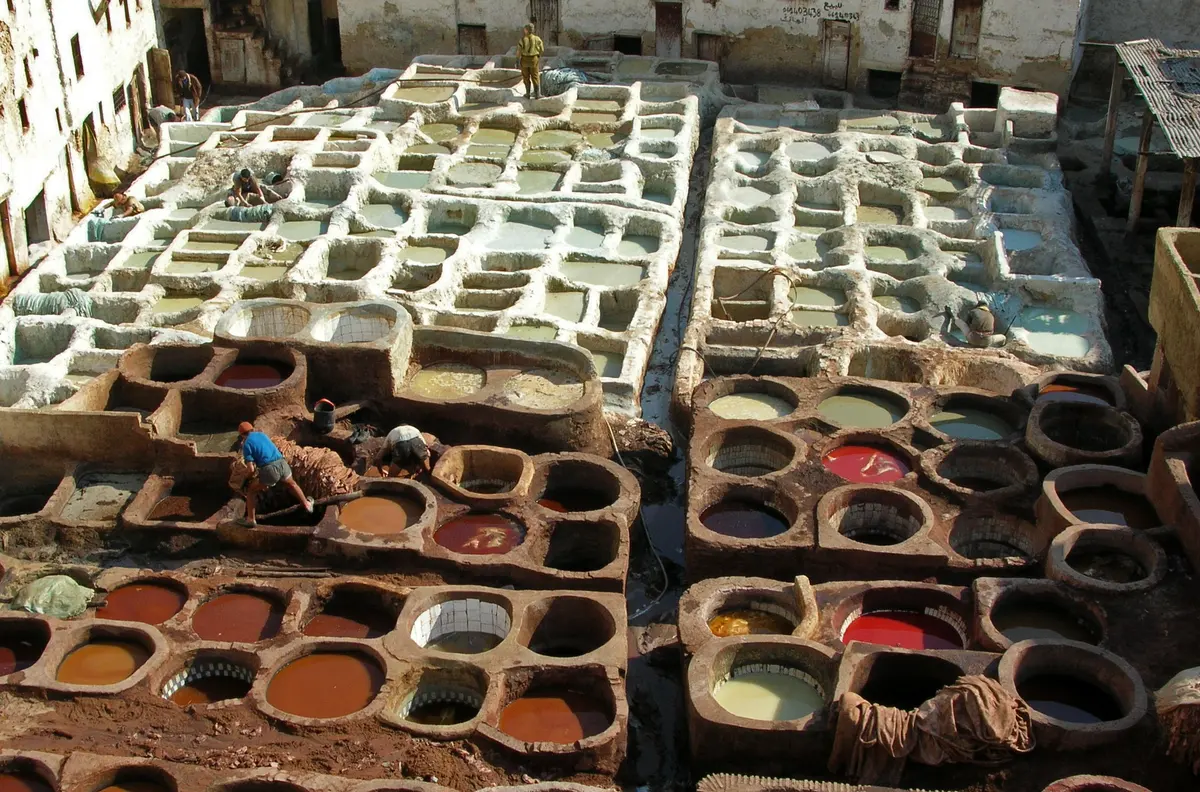
Fès-Meknès
The oldest living medieval city in the world
Best time to visit
March to May and September to November. Winter is cold and wet; summer is dry heat.
How long to stay
Two nights minimum. Three if you care about craft.
Getting there
Fes-Saïss airport has European connections. The train from Casablanca takes four hours, from Tangier three and a half.
Fes — spelled Fez in American English — is a city in northern Morocco whose old quarter, Fes el-Bali, is the largest car-free urban area on earth. It has around nine thousand lanes and no grid. Two nights is the minimum, and the first morning should be guided.
You will meet all three. French-language sources write Fès, Maroc; English ones write Fez, Morocco; Moroccan signage in Latin script usually says Fes. The airport code is FEZ. They are the same place, and the confusion costs people bookings every year — check the spelling on your ticket, not the one in your guidebook.
Fez the city was founded in the late eighth century and served as the capital of Morocco on and off for a thousand years. What survives is not a restored quarter but a functioning medieval one: donkeys carrying gas bottles, a working tannery, a mosque that has held Friday prayers without a break since 859.
Two, minimum. Three if craft interests you.
Day one is the medina with a guide — monuments in the morning, the tanneries before the light goes flat, no shopping decisions. Day two is the same medina alone, at your own speed, plus the Mellah and the ramparts. Day three is Volubilis and Meknes, or the potters.
One night in Fes is the most common mistake on a Morocco itinerary. People arrive at six, walk in unguided, get lost, get harangued, and leave the next morning saying they did not like it.
We say this about nowhere else in the country. Marrakech you can wander. Fes punishes wandering.
The medina is a bowl on a hillside with no straight streets, no vehicles and almost no signage. Phone GPS drifts badly between four-storey walls. Two gates matter for orientation: Bab Boujloud at the top, blue on the outside and green on the inside, and Bab Rcif in the middle, which is where a taxi can actually reach you.
A licensed guide for half a day costs a small fraction of the trip and changes it completely — not because you cannot cope, but because the value is behind doors that are invisible from the lane. Ours are licensed and we publish the numbers.
Chouara is the big one, and the routine is fixed. You climb through a leather shop, somebody hands you a sprig of mint on the stairs, and you come out on a terrace above the dye pits. The mint is for the smell — pigeon droppings and lime — which is genuinely strong in July.
The terrace is free. The expectation is that you look at the bags on the way down. That is fair, and you can say no. What is not fair is being told the terrace costs money, which happens; there is no ticket.
Best light is mid-morning. In heavy rain the pits are half empty and the men are not working.
Genuinely different cities, and the choice tells you what kind of trip you want.
Fes is older, larger in its medina, more religious, more conservative and much less shaped by tourism. The craft is real work. It is harder on a first visit and it stays with people longer.
Marrakech is hotter, flatter, easier to navigate, better supplied with hotels and restaurants, and within reach of the mountains, the coast and the desert. It is the better opening city.
Most trips do both. If you only have room for one and it is your first time in the country, do Marrakech. If you have been before, do Fes.
A riad inside the medina puts you in the middle of it, at the cost of walking your luggage in from the nearest gate — sometimes ten minutes, occasionally behind a porter with a handcart. It is worth it.
The Ville Nouvelle has parking, larger hotels and taxis at the door, and sits a fifteen-minute drive from Bab Boujloud. Choose it if mobility is a problem or you are arriving very late.
Fes has its own kitchen, not a generic Moroccan one. Pastilla — pigeon or chicken under sugared filo — is a Fassi dish. So is khlii, preserved meat, usually with eggs at breakfast. Bissara, thick broad bean soup under olive oil and cumin, is what the city eats on a cold morning for the price of a coffee.
Eat one meal in a restored riad and the rest at street level. The gap in quality is much smaller than the gap in price.
| Route | Realistic time |
|---|---|
| Casablanca → Fes, by train | 4h |
| Tangier → Fes, by train | 3h 30 |
| Fes → Chefchaouen, by road | 4h |
| Fes → Merzouga, by road | 8h |
Casablanca to Fes, Morocco’s most common arrival route, runs from the airport station without changing trains in the city. The Fes–Marrakech train is direct but long. Fes-Saïss airport takes flights from several European cities.
The route we run most is the reverse: Marrakech to Fes across the Sahara in three days, arriving from the desert rather than from a platform. Fes also anchors our imperial cities and Chefchaouen week.
March to May, and late September to November.
Fes sits inland at about 400 m with no coast to moderate it, so the seasons are sharper than most people expect from Morocco. Summer is dry heat in the high thirties, and the medina — stone, no shade, no air moving — holds it well past sunset. Winter is cold and genuinely wet: December to February brings rain, and the lanes run with it, because a medieval drainage system is exactly as good as it sounds.
The compensation is that winter is empty. If you can tolerate rain and pack a coat, January in Fes gives you madrasas with nobody in them.
Ramadan changes the rhythm rather than closing the city. Workshops keep shorter hours, restaurants in the medina open after sunset, and the evening streets are busier than at any other time of year.
Yes. The medina is safe to walk, including in the evening on the main arteries, and Moroccan cities have very little street crime aimed at visitors.
The hustler question is the real one. Unofficial guides work the gates, and the standard opening is that the way you are heading is closed, or that there is a Berber market on today. There is no market. Say la, shukran once and keep going. There is more in safety in Morocco, and in culture and etiquette for how to behave around the mosques you will be walking past all day.
Fes is the city we most often advise people not to shorten. The rest of the country is on our destinations page — tell us how long you have and we will say honestly whether it fits.
The same city. Fez is the older English spelling and the airport code; Fes is the transliteration used on Moroccan signage in Latin script; Fès is the French form on tickets and station boards. Nothing separates them but habit.
Yes. Violent crime against visitors is very rare in Fes. The genuine nuisance is unofficial guides in the medina, who offer directions and then a workshop you did not ask to see. Say no once, keep walking, and take a licensed guide for the first morning.
Two nights, three if craft interests you. One night means you see the tanneries and nothing else, and almost everybody who gives Fes a single night says afterwards that it was a mistake. The medina does not reward speed.
For the first half-day, yes. Fes el-Bali has around nine thousand lanes, no vehicles and no grid, and phone GPS drifts badly between the walls. After a guided morning most people navigate the main arteries on their own perfectly well.
The Chouara tannery terraces, the Bou Inania and Al-Attarine madrasas, the Al-Qarawiyyin mosque and library, the Mellah and Ibn Danan synagogue, the potters' quarter outside the walls, and Borj Nord at sunset for the whole medina at once.
There is a direct train and it takes most of a day. The better version is the three-day drive east through the Atlas, Todra Gorge and the Sahara at Merzouga, arriving in Fes from the desert side — the same distance, spent on the parts worth seeing.
The Fes–Chefchaouen distance is roughly 200 km, about four hours by road through the Rif. There is no train. Buses and grand taxis run daily; a private car is the only way to stop at the viewpoints along the way.
They are different, not ranked. Fes is older, more intact, more conservative and far less shaped by tourism. Marrakech is easier, hotter, better supplied with hotels and closer to the mountains and the desert. Most first trips include both.
3 days / 2 nightsSignature routeMarrakechFes
Cross the High Atlas on the Tizi n’Tichka pass
From€155 / per person
View tour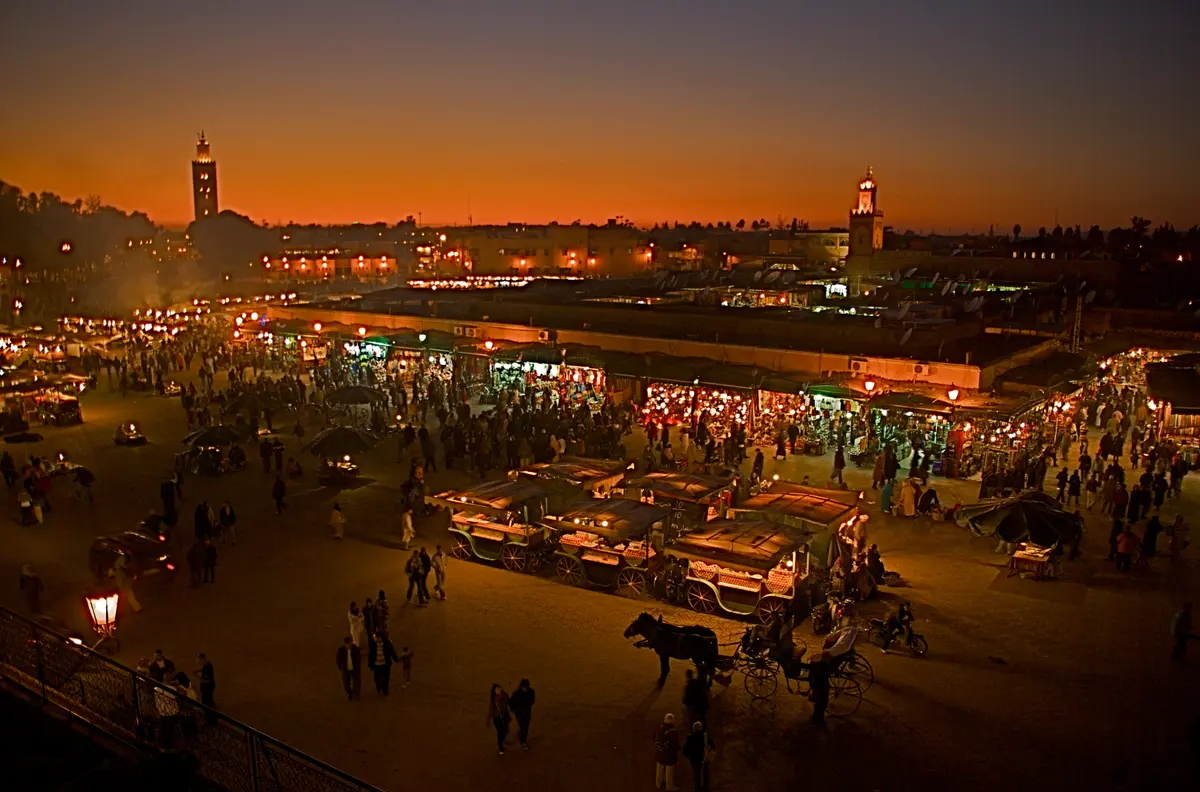 10 days / 9 nightsSignature route
Marrakech
Every region that matters, in one loop
From€1,100 / per person
View tour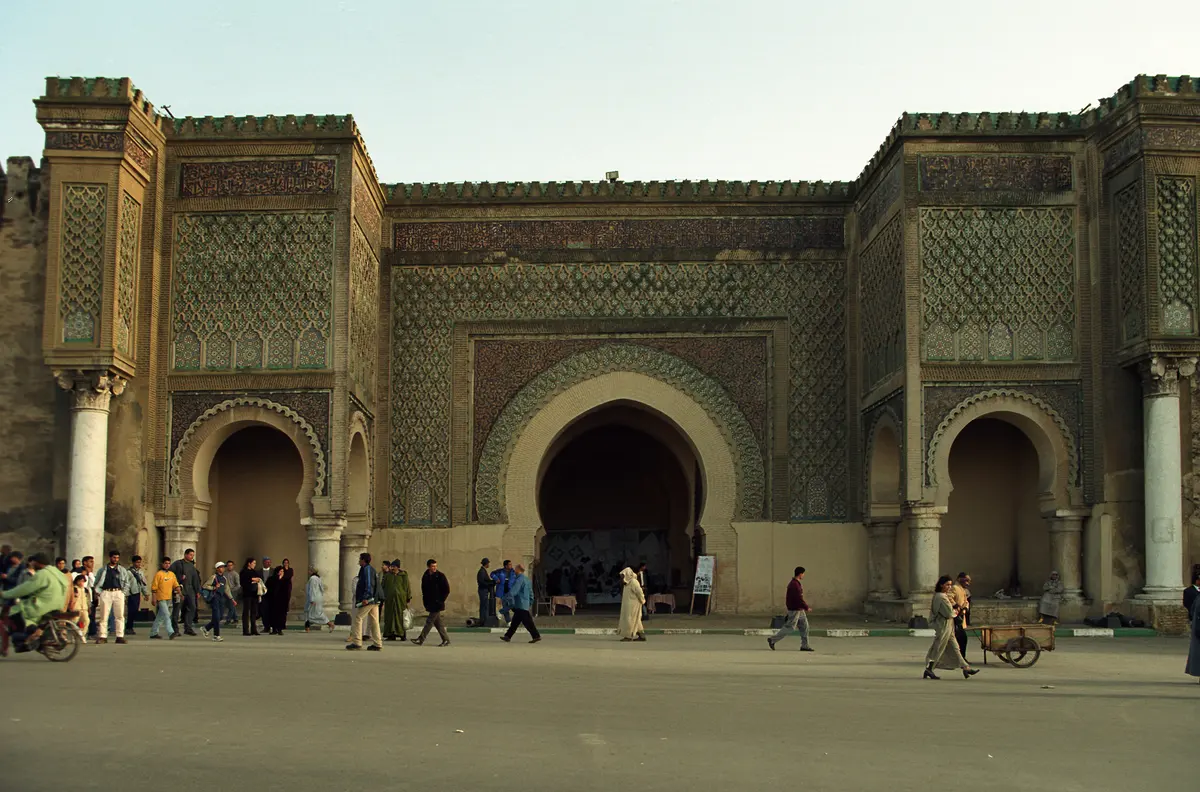 7 days / 6 nightsSignature route
CasablancaMarrakech
All four imperial capitals — Rabat, Meknes, Fes and Marrakech
From€610 / per person
View tour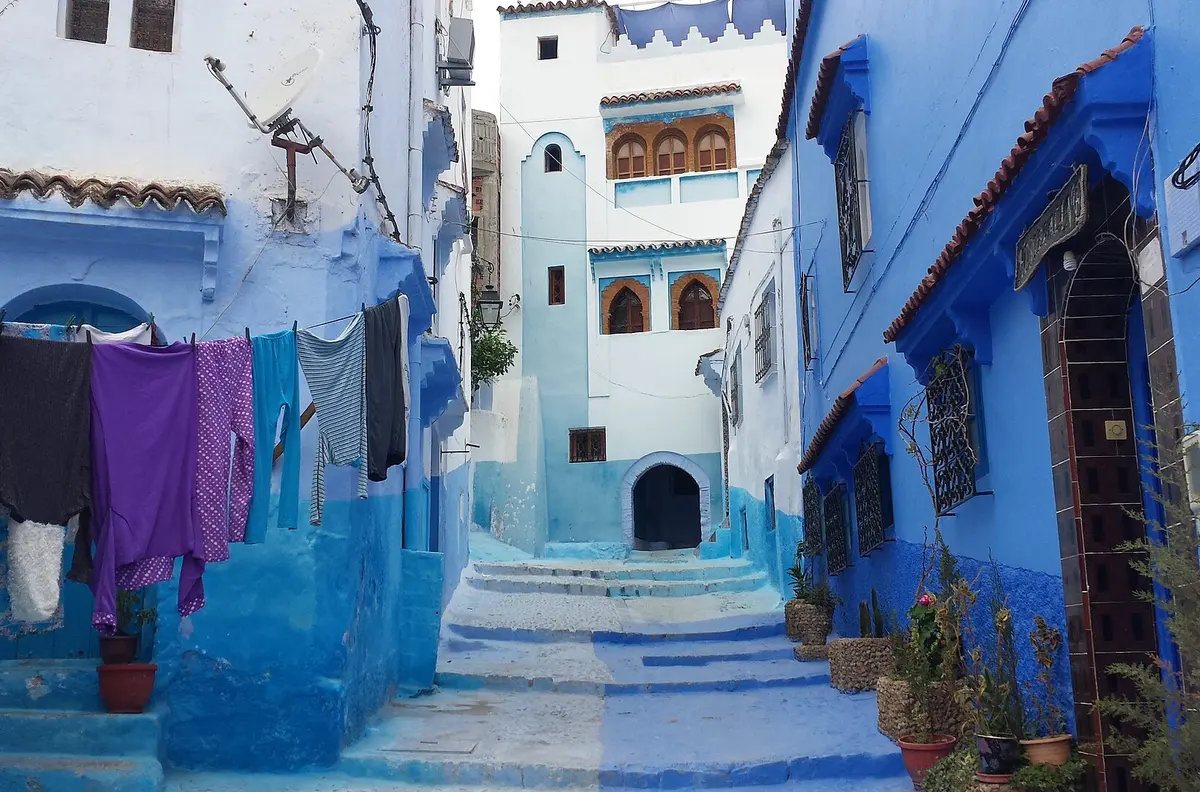 2 days / 1 night
Fes
Stay overnight, so you get the medina at dawn without day-trippers
From€110 / per person
View tourTell us your dates and interests. We reply personally, usually within a couple of hours.
usually within 2 hoursNo deposit to planLicensed tour guide
+212 665 295 999
Try “Sahara”, “3 days”, or “Chefchaouen”.