How Many Days in Marrakech? A 3-Day Itinerary
How many days in Marrakech? Three. Here is a 3-day Marrakech itinerary built around the afternoon break the city actually requires, hour by hour.
Fatima Zahra Idrissi
Trip planner & guest care
How many days in Marrakech? Three. Two shows you the medina and nothing else; four or five only pay off if you leave the city. Three days is the right length — and what most Marrakech itineraries get wrong is not the list of sights but the shape of the day.
This page is the hour-by-hour plan. If you would rather see things to do in Marrakech ranked by whether they are worth it, with entry prices and the quiet hour at each site, start there and come back.
Most published itineraries schedule nine hours of sightseeing in 38-degree heat. Nobody does that, including the people who wrote them. This one is built around the afternoon break the city actually requires.
How many days in Marrakech do you actually need?
| Length | What it gets you |
|---|---|
| 1 day | Jemaa el-Fna and one monument. A stopover, not a visit |
| 2 nights | The medina — souks, one palace, the square twice. No day trip |
| 3 nights | The medina properly, a garden, and one full day outside the city |
| 4–5 nights | The above plus a second day trip, or Essaouira overnight |
| A week | Only if Marrakech is your base for the Atlas and the coast |
The honest version: Marrakech is a three-night city. The reason people say they needed longer is almost never the monuments — it is that they wanted a day in the Atlas and a day doing nothing, which is a legitimate reason to stay five.
The shape of the day matters more than the list
From May to September the middle of the day is genuinely hostile. In July and August the medina exceeds 38°C by one o’clock and the shade runs out.
So the day has three parts, not one:
- 08:00–13:00 — monuments and souks, in the light and before the groups
- 13:00–16:00 — stop. Riad courtyard, pool, lunch, sleep
- 16:00–22:00 — gardens, the square, dinner
This is not laziness, it is what the city does, and every riad has a courtyard for exactly this reason. Fighting it is the single most common way visitors ruin their own trip.
Day one: the monuments, early
Start at 08:30 at the Bahia Palace. It opens at nine, the groups arrive around ten, and the difference between those two facts is the whole visit. The painted cedar ceilings need morning light anyway.
Then the Saadian Tombs, which are small and where the queue is the entire experience — five minutes at opening, forty by mid-morning. Then the Badi Palace ruins, which are large, mostly roofless, and full of storks. Allow an hour; it is the one children like best.
Break from one until four.
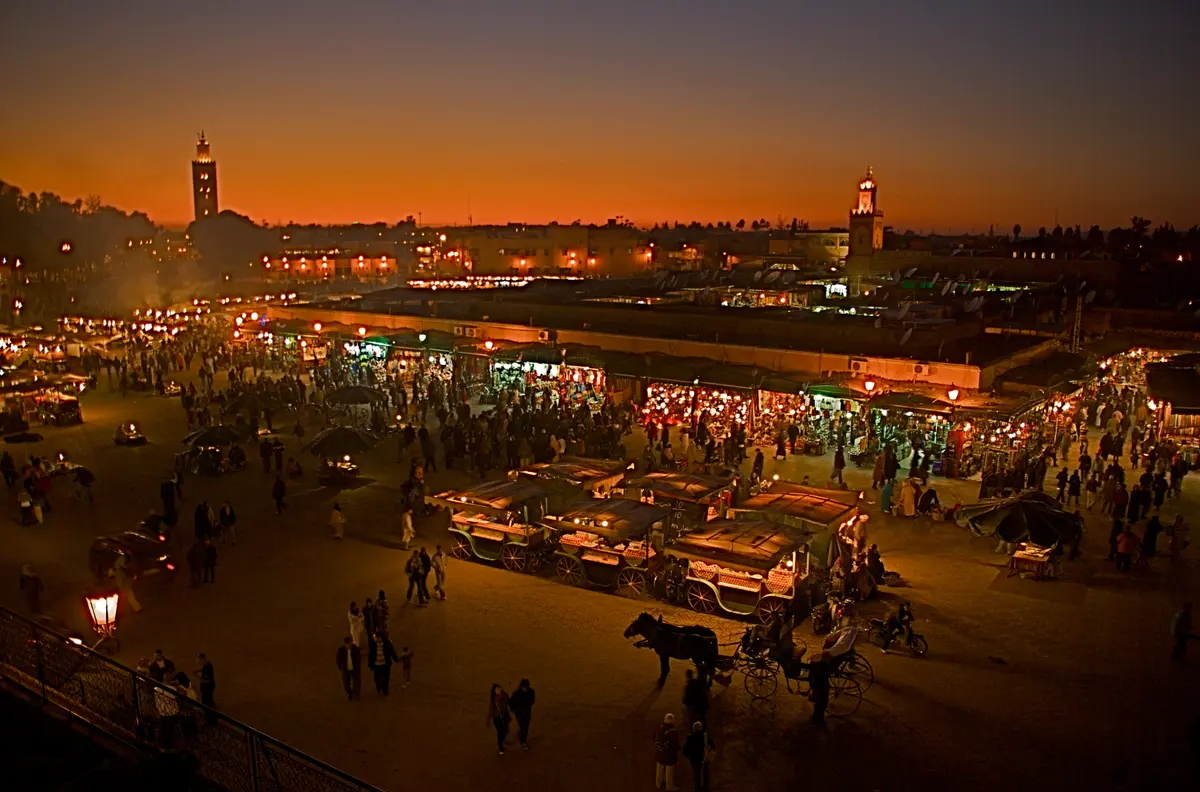
Evening on Jemaa el-Fna, arriving around six to watch the food stalls being assembled from nothing. Eat on a rooftop overlooking it rather than at a stall the first night — the touting at the stalls is intense and you will enjoy it more once you know the square.
Day two: the souks and the gardens
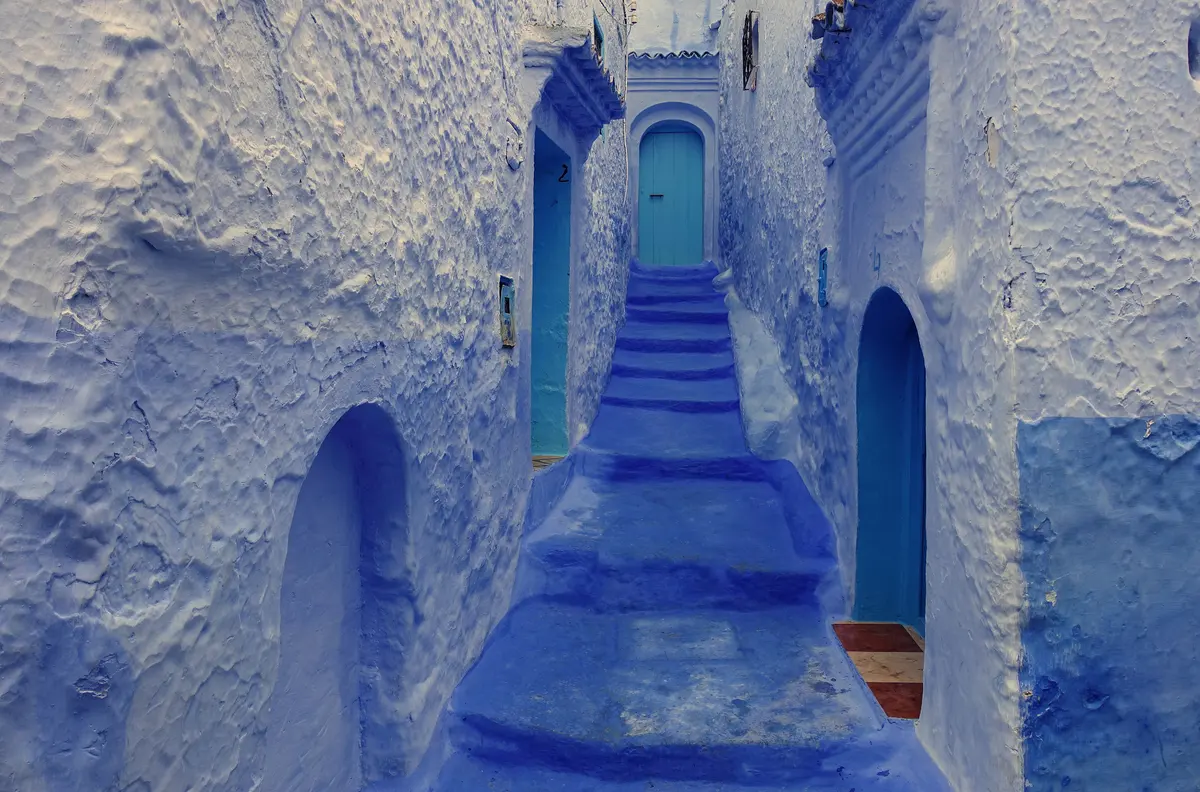
Mornings are for the souks, when the light comes through the slatted roofs and before the crowds thicken. Go with someone who knows them, at least the first time. The dyers’ souk and the blacksmiths’ quarter are genuinely hard to find alone and they are the parts worth seeing; the rest is shops.
If you would rather do it alone, know that you will get lost, that this is fine, and that the way out is always downhill towards the noise.
Afternoon in a garden. Le Jardin Secret in the medina is the underrated one — smaller, quieter, and you can walk in. Majorelle is the famous one and now needs a booked time slot; without one it means a long queue in full sun.
Evening: a rooftop in the medina, or dinner in Guéliz, which is where people from Marrakech actually eat.
Day three: out of the city
This is the day that justifies the third night, and there are three real options.
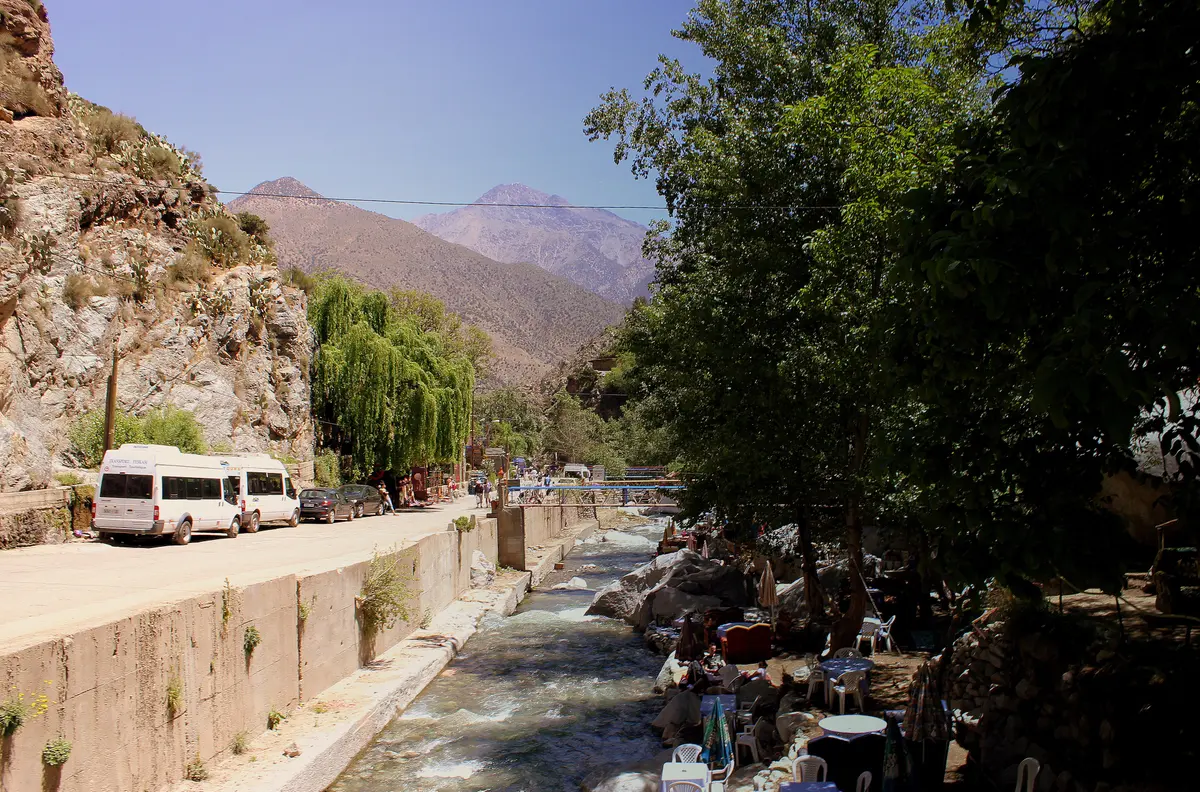
The Ourika valley — ninety minutes into the Atlas, an easy walk, lunch on a platform over the river. The best half-day, and cool when Marrakech is not.
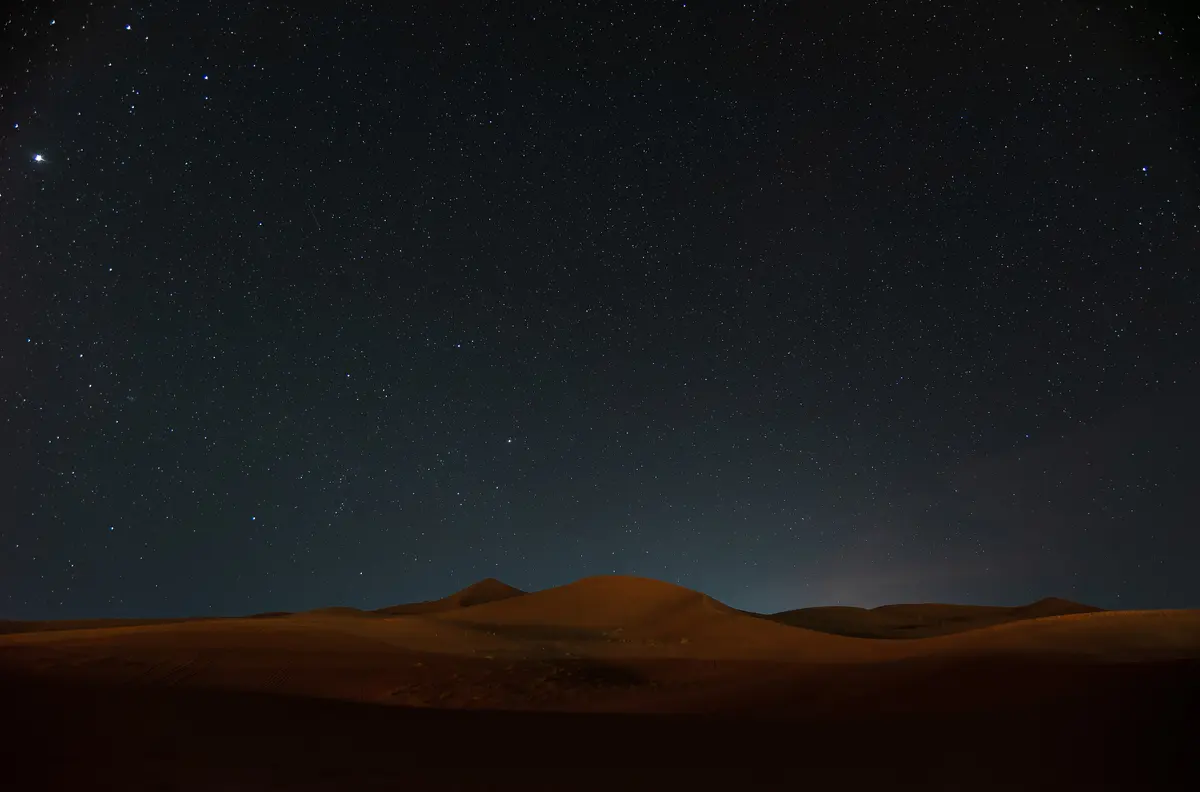
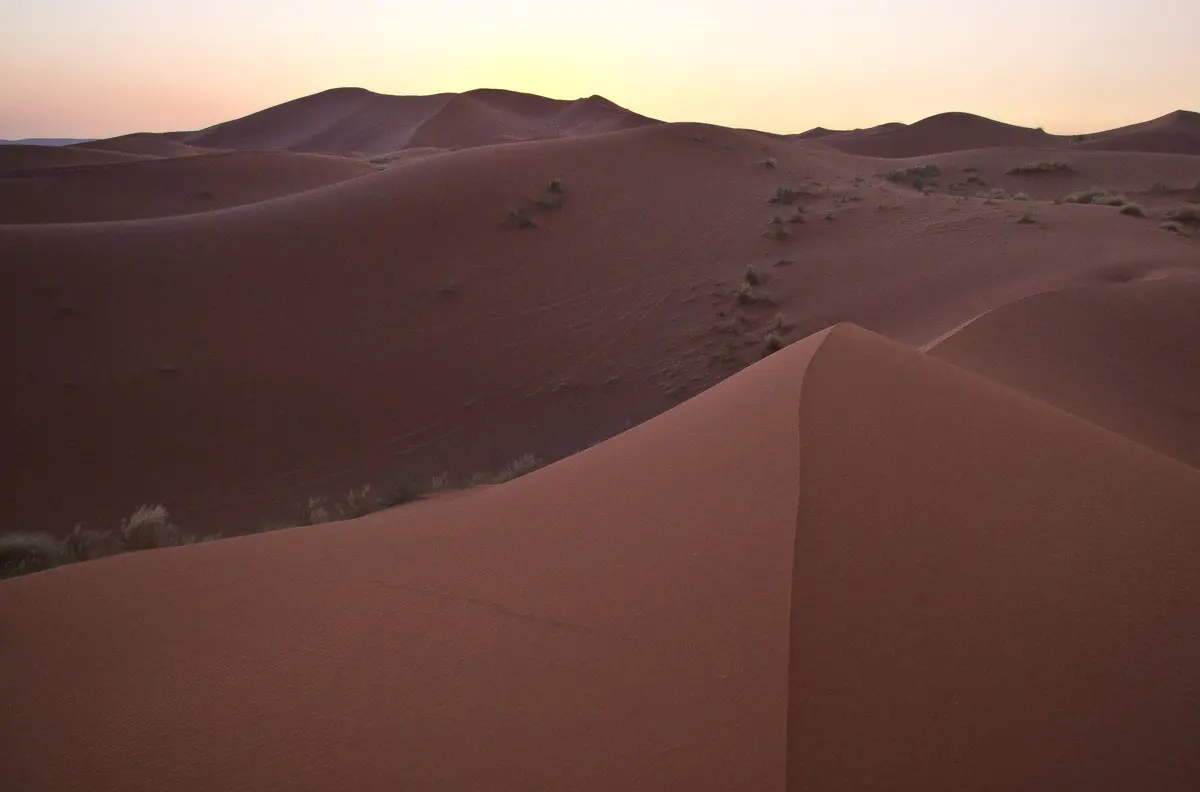
The Agafay stone desert — forty minutes, lunar, and the sunset is the point. Not the Sahara and honest operators say so.
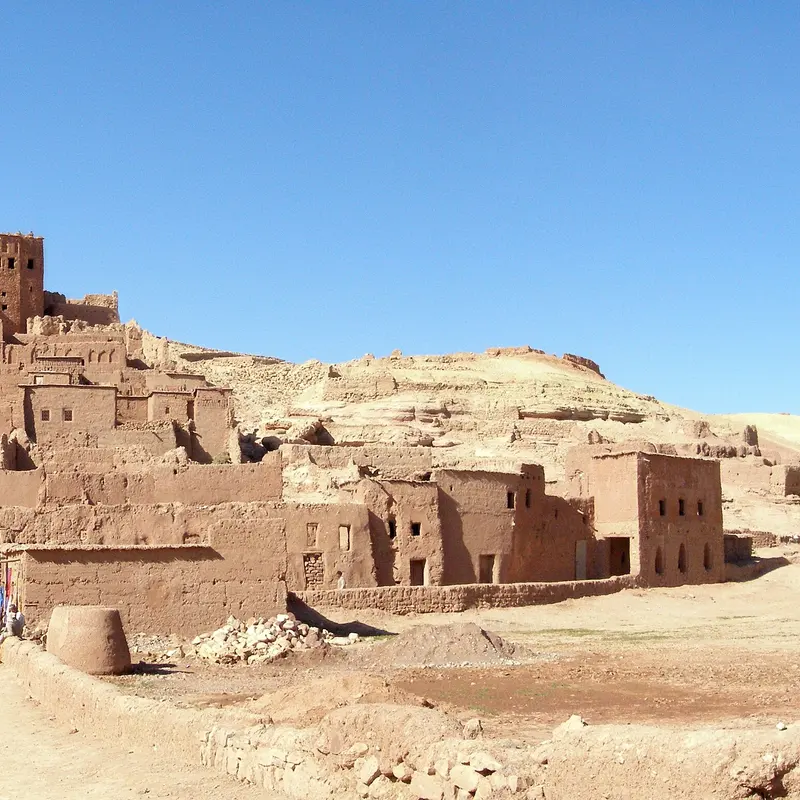
Aït Benhaddou — a full day, three hours each way over the Tizi n’Tichka. Start at seven. It is the best of the three if you can face the driving, and it is the one that gives you the High Atlas as well as the ksar.
If you are going on to the desert afterwards, skip Aït Benhaddou here — you will pass it on day one of the Marrakech to Fes crossing.
What this 3-day Marrakech itinerary deliberately leaves out
Everything above fits into 3 days in Marrakech without a single rushed morning, and it does that by leaving things out on purpose.
The Menara gardens. An olive grove and a pavilion by a reservoir. Locals picnic there and it is pleasant; it is not worth a taxi and an hour of a three-day trip.
The Museum of Marrakech. The building is better than the collection. If you only see one interior after the palaces, make it the Ben Youssef Madrasa instead.
A camel ride in the palm grove. Twenty minutes on a tired animal beside a road. If you want camels, they belong in the Sahara, where they are transport rather than a photo.
A quad bike tour. Fine as an activity, unrelated to Marrakech.
Saying no to those four buys you the afternoon break, which is what makes the other three days work.
Eating, and when
Lunch is the main meal in Morocco and the best value in the day. A tagine in a neighbourhood restaurant costs a fraction of the same dish on a medina rooftop, and it is usually better.
The Jemaa el-Fna food stalls are worth doing once, on your second evening rather than your first, and the way to do it is to walk the whole row before choosing, ignore everyone calling you, and sit where Moroccans are sitting. Snail soup is a real thing and it is a texture decision.
Guéliz is where Marrakech eats when it is not working — proper restaurants, no touting, and prices posted. Book at weekends.
Breakfast at your riad is almost always included and almost always better than anywhere you would walk to: bread, olive oil, amlou, msemen, eggs, and mint tea.
What to cut with two days, what to add with four
Two days: drop day three entirely. Keep both evenings on the square and do not compress three days of monuments into two — you will remember the heat, not the tilework.
Four days: add a second day trip, or Essaouira as an overnight rather than a day trip. The Atlantic coast is two and a half hours away and going there and back in a day wastes five of them.
Five days: four plus a slow day. A hammam, the Guéliz galleries, a cooking class, and the second visit to the souks where you actually buy something.
Where to stay
Inside the medina for atmosphere. Accept noise, an early call to prayer, and a walk with your luggage from the nearest gate.
Guéliz for a pool, quiet streets, restaurants and a ten-minute taxi to everything. It is where I would put anyone travelling with children or in July.
The palm grove for resort hotels — beautiful, and twenty minutes from anything you came to see.
More on the districts and the practicalities in the Marrakech destination guide.
The practical things that save a day
Photograph your riad’s door and the nearest landmark before you first go out. Medina addresses do not work the way you expect, and every taxi will drop you at the nearest gate rather than the door.
Agree taxi fares before getting in, or insist on the meter. A petit taxi across town is a small number; the first quote to a visitor rarely is.
Carry cash in small notes. Cards work in Guéliz and in riads. In the medina, largely not.
Book Majorelle and any hammam in advance, and check current opening hours before you build a morning around a monument — they change, and Fridays are different.
Do not accept directions from someone who approaches you. It ends at a shop. Ask a shopkeeper standing in their own shop instead.
We run medina walks with licensed guides and day trips out of the city, and we will tell you honestly when three days is enough and when it is not.
Frequently asked questions
How many days in Marrakech is enough?
Three full days, or three nights. Two gets you the medina and nothing else. Four or five only make sense if you add a day trip to the Atlas, Essaouira or Aït Benhaddou rather than more monuments.
Is 2 days in Marrakech enough?
It is enough for the medina — Jemaa el-Fna, the souks, one palace and a garden — and nothing beyond it. Cut day three and keep the afternoon break rather than trying to compress three days into two.
What is the best 3-day Marrakech itinerary?
Monuments early on day one, souks and a garden on day two, and out of the city on day three. Start each day by 08:30, stop between 13:00 and 16:00, and go back out in the evening. The heat, not the map, sets the shape.
What should you do in Marrakech in 3 days?
Bahia Palace, the Saadian Tombs and the Badi Palace ruins; the souks with someone who knows them; a garden in the afternoon; two evenings on Jemaa el-Fna; and one day out to the Ourika valley, Agafay or Aït Benhaddou.
Where should you stay in Marrakech?
Inside the medina for atmosphere, accepting noise and a walk with luggage. Guéliz for a pool, quiet and a ten-minute taxi. The palm grove for resort hotels, which puts you twenty minutes from everything.
Is Marrakech walkable?
The medina is, and it is the only sensible way to see it — vehicles cannot reach most of it. Between the medina, Guéliz and the gardens you will want taxis. Agree the fare first or insist on the meter.
What is the best time of day to visit Marrakech monuments?
Between opening and about 10:00, before the coach groups. The Bahia Palace and the Saadian Tombs are transformed by arriving at opening, and the Saadian Tombs queue is the difference between five minutes and forty.
What to wear in Marrakech?
Loose, light, covered shoulders and knees in the medina; anything you like in Guéliz, at a riad pool or on a rooftop. Comfortable closed shoes matter more than anything else — medina lanes are uneven and often wet.
Do you need a guide in Marrakech?
Not for the monuments. For the souks on your first morning, a licensed guide is worth it — the dyers' souk and the blacksmiths' quarter are genuinely hard to find, and it removes the follow-and-sell entirely.
Related tour
Aït Benhaddou & Ouarzazate Day Trip from Marrakech
From €38 · 1 day
Morocco, once a month
Route ideas, when to book, and the odd honest warning about tourist traps. No spam, unsubscribe anytime.
Thanks — check your inbox to confirm.