Is Morocco Safe for Women and Solo Female Travellers?
Is Morocco safe for women, and for solo female travellers? A Moroccan woman who guides here answers plainly — what the street attention is, and what stops it.
Hajar
Founder & lead guide
Yes — Morocco is safe for women, including solo female travellers, in the sense that matters most: violent crime against visitors is rare. What you will meet instead is constant verbal attention in the street. It is tiring rather than dangerous, and knowing exactly what it looks like before you arrive changes everything.
I am asked this more than any other question, and the internet answers it badly in both directions — either “totally fine, just dress modestly” or a horror story from a forum. Neither helps when you are standing on Jemaa el-Fna at nine at night deciding whether to walk back to your riad.
Who is answering this
I am Moroccan. I grew up in the Marrakech medina, I have been a licensed national guide since 2019, and I work alone with clients — in the souks, on desert roads, on the square after dark. Almost every other article ranking for this question was written by a foreign visitor who spent two weeks here, or by an agency that has never been.
That is not a credential I am waving around. It is the reason this page says things the others do not. I get the same comments in the street that you will. I have been dealing with them since I was twelve, and the responses below are the ones Moroccan women actually use, not the ones that sound reasonable in a blog post.
Is Morocco safe for women? What the street attention actually is
Here is the accurate description, with nothing softened.
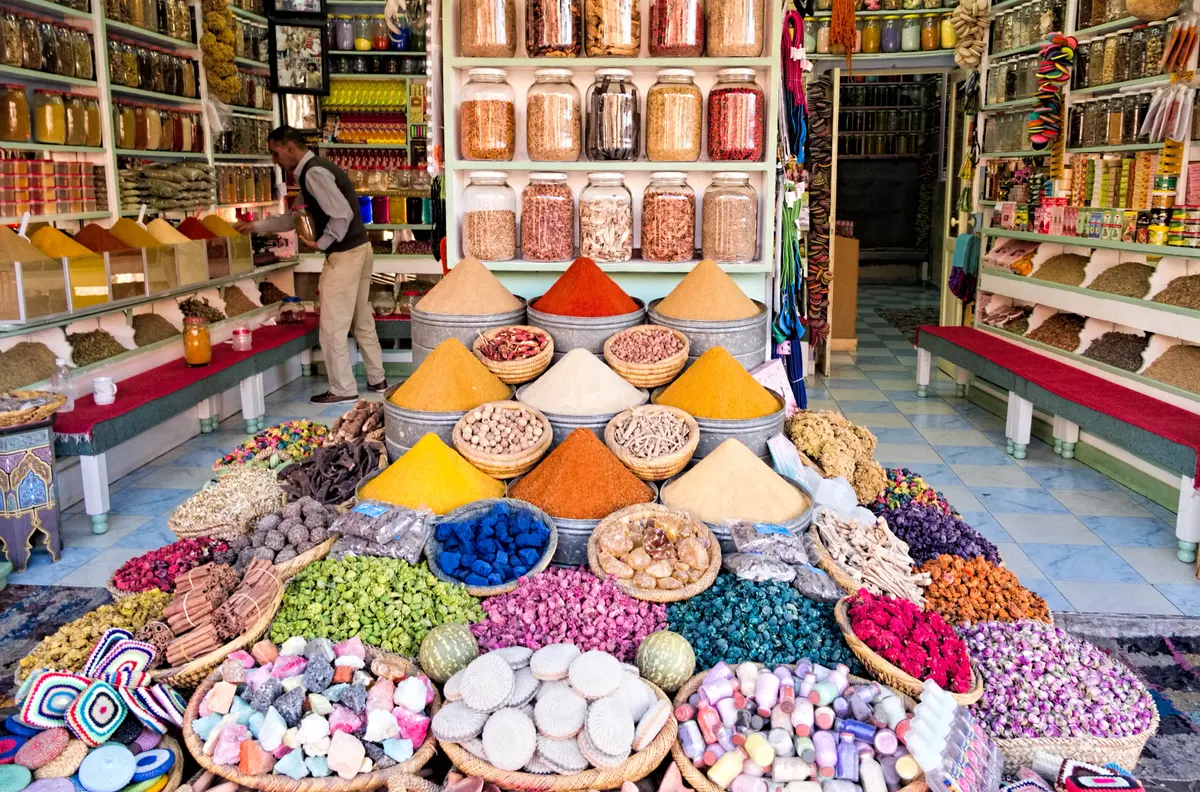
In the busy medinas — Marrakech, Fes, and the tourist streets of Tangier — a woman walking alone can expect comments in French, English or Darija; men falling into step beside you to ask where you are from; young men offering to show you the way to a square you can already see; and shopkeepers who do not treat a first “no” as an answer. In a two-hour walk through the Marrakech souks it might happen ten times. On a quiet morning, twice.
Almost all of it is verbal. Physical harassment is uncommon, groping is rare, and assault against a tourist is rare enough that it makes the national news when it happens. What is common is the volume and the persistence.
Morocco safety for women is really a question about stamina, not danger. After four days of it, plenty of women tell me they stopped wanting to leave the riad. That is the real cost, it is worth naming honestly, and nobody prepares you for it — so when it happens you assume something is wrong with you.
Hassle is not danger — the distinction nobody draws
These are two different things, and conflating them is why so much of the advice online is useless.
Danger would be: risk of violence, of being followed home, of a drink being spiked, of a taxi taking you somewhere other than where you asked. Those would be reasons not to come. They are not the pattern here, and the broader safety picture — crime, road risk, the standard scams — is genuinely better than in most European capitals I have travelled to.
Hassle is attention you did not ask for, from strangers who want your money or your time, repeatedly, in public, in daylight. It is an intrusion and it is not a threat.
The practical risks to a woman travelling alone in Morocco are financial rather than physical: the unofficial guide who demands 300 dirhams at the end of a ten-minute walk, the taxi that quadruples the fare, the pickpocket working a crowd on the square. Handle those three and you have handled most of it.
Is Marrakech safe for women? City by city
The country is not uniform, and this is the most useful thing to know when you are planning where to stay.
| Place | What to expect |
|---|---|
| Marrakech medina | The most intense in Morocco. Constant and commercial around Jemaa el-Fna |
| Marrakech, Guéliz | An ordinary modern city. Almost nothing happens. Women in jeans everywhere |
| Fes medina | Intense, less commercial, more curious. Much easier to get lost in |
| Essaouira | Consistently the most relaxed town in the country for solo women |
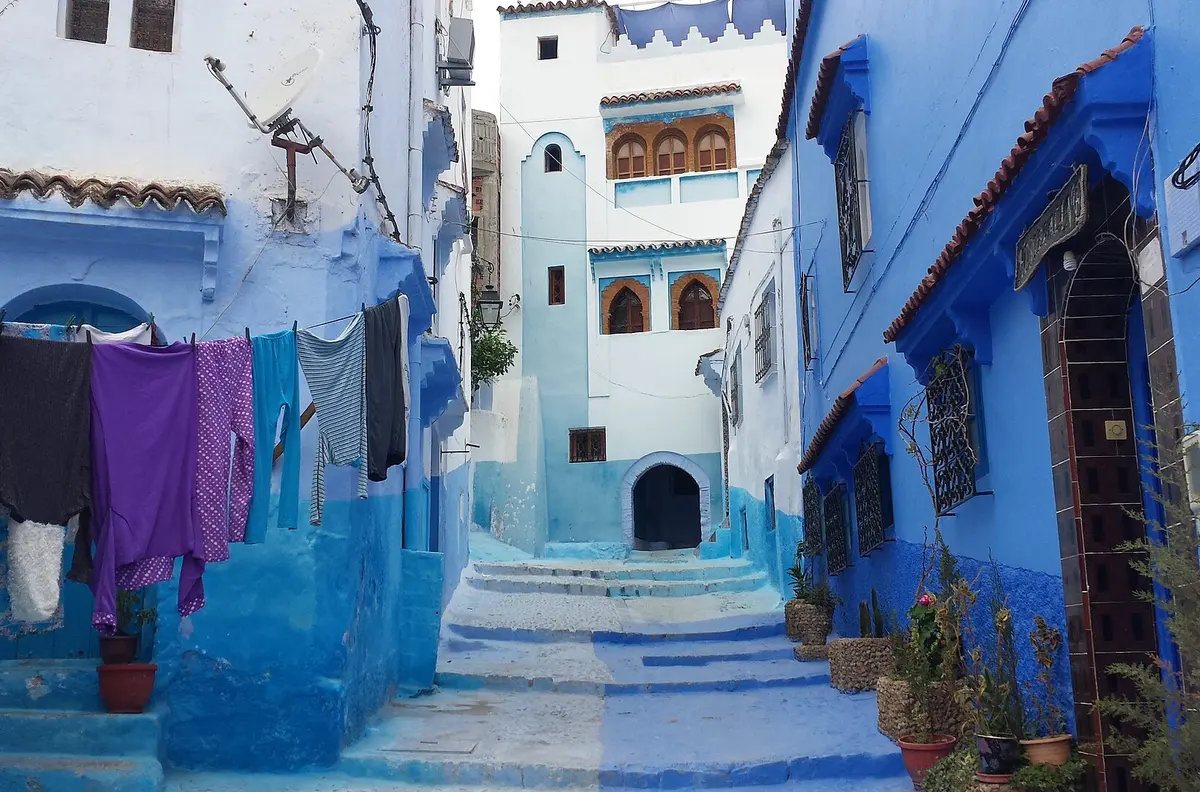
| Chefchaouen | Calm. Persistent hashish offers instead, which are easy to refuse |
| Casablanca and Rabat | Working cities. Ordinary big-city behaviour, ordinary big-city rules |
| Tangier | Fine in the ville nouvelle, more attention in the old medina |
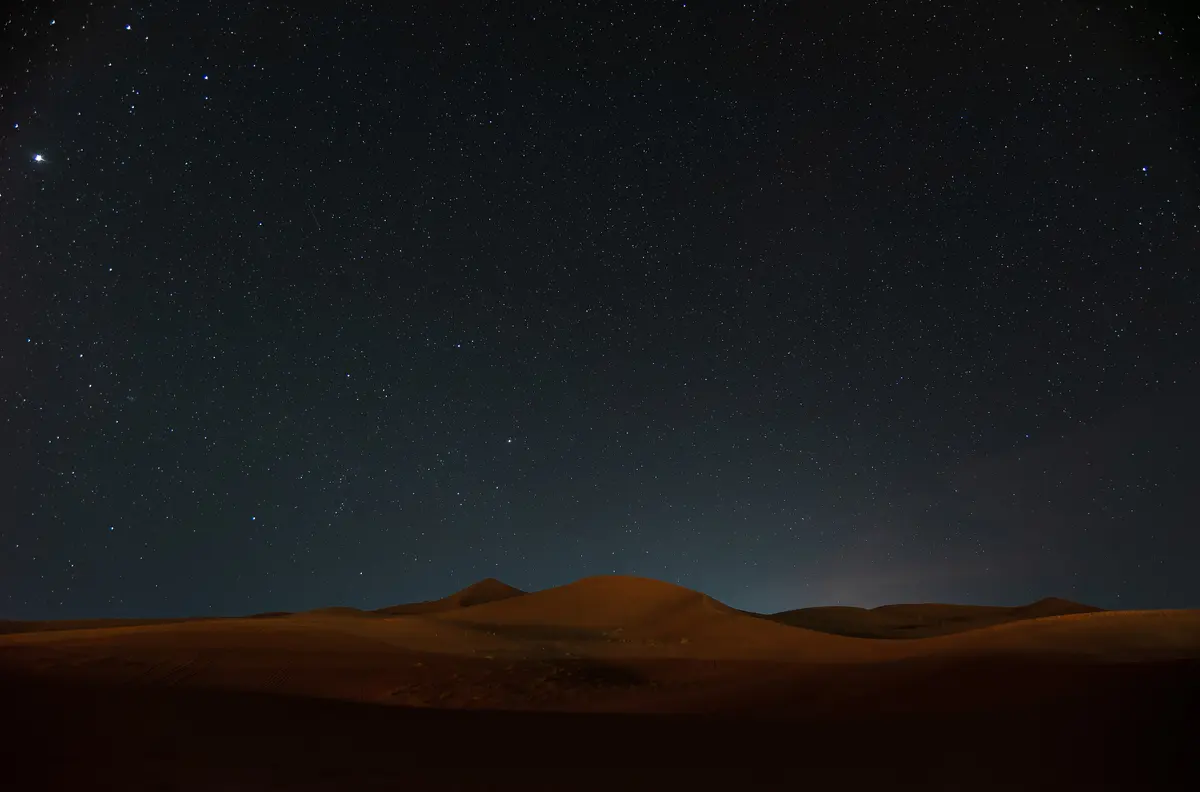
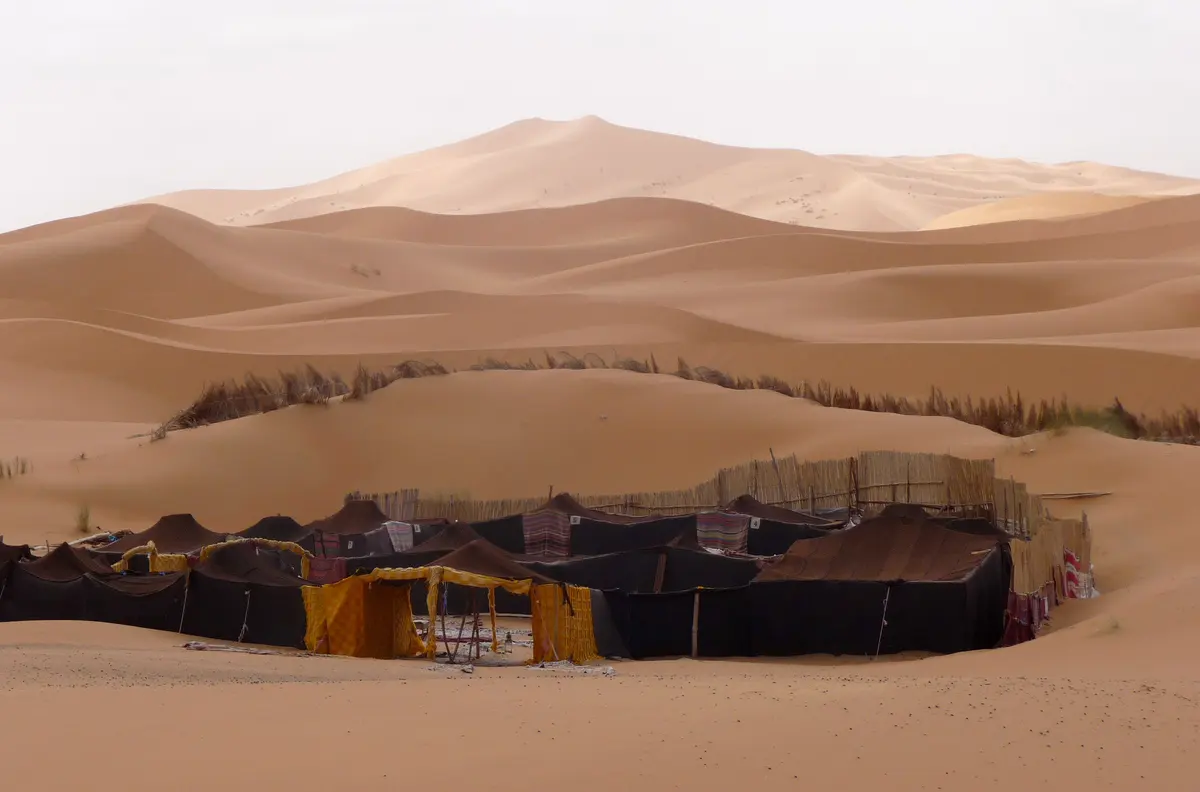
| Atlas villages and the desert | The quietest of all. You are a guest, and it is treated that way |
So when people ask whether Marrakech is safe for women: yes, and it is also the hardest city in the country for this. Both are true at once. If Marrakech is your only stop, three days is plenty, and staying in Guéliz rather than the medina changes the temperature of the entire trip.
What actually works
These are the things that measurably reduce it. I use all of them.
“La, shukran.” No, thank you. Said once, flatly, without a smile, without breaking stride. Do not say it twice — the second one is an opening. A handful of Darija does more work here than any other preparation you can do.
Walk like you know where you are going. The strongest single signal. Stopping in the middle of a lane with a phone held up is what brings people over. If you need the map, step into a shop doorway or a café first.
Do not answer “where are you from”. It feels rude not to. It is not — it is the standard opening line of a sales conversation, and answering commits you to the next five minutes of it.
Never take directions from someone who approaches you. The standard version ends with a demand for money at your destination. Ask a shopkeeper standing inside their own shop, a woman, or a policeman. They cannot walk off with you, which is the entire point.
Sunglasses. It sounds unserious and it works. Eye contact is read as engagement.
Get the first night right. Arriving into Fes or Marrakech after dark, jet-lagged, dragging a case through unlit lanes with no transfer booked, is the one situation that reliably goes wrong. Have someone meeting you at the airport or the taxi rank. It costs very little and it is the highest-value item on this list.
What does not work
Smiling politely. In this particular context it reads as interest. Neutral face, keep walking.
Arguing or explaining. “I don’t want a guide, I know the way, I’m meeting someone” — every sentence extends the exchange. Silence and a flat la end it faster than any explanation.
Getting angry. It sometimes works. It more often escalates, and it will spoil your afternoon either way.
A fake wedding ring. Recommended constantly, and it does almost nothing, because the comments are not proposals.
Clothing: what genuinely changes it
There is no legal dress code in Morocco and nobody is going to stop you in the street. But the honest version of the dress code for women in Morocco is that clothing changes the volume of attention, and pretending otherwise is dishonest — while also being nowhere near the whole story, because I get comments in loose clothes with my arms covered.
What works in a medina: covered shoulders, covered knees, loose rather than tight. What is completely unremarkable in Guéliz, Casablanca, Essaouira, Agadir and any riad or hotel: whatever you would wear at home. Swimwear at pools and on beaches is normal.
Moroccan women dress across the entire range — jeans and a t-shirt, a djellaba, a headscarf, none of the above, often inside one family. There is no single rule you are failing to follow.
The most useful item is a large scarf: sun, dust, a cold desert night, a mosque courtyard and a quick cover-up in a conservative village, all from one thing. More in what to pack, and in the customs and etiquette that shape how you are received generally.
Taxis, riads and eating alone
Petit taxis. Agree the fare before you get in, or insist on the meter — drivers routinely claim it is broken. Sit in the back. Sharing a petit taxi with strangers is normal and fine.
Grands taxis between towns are shared, cramped and driven fast. As a solo woman, buying two seats to get the front row to yourself is common, cheap, and what I would do.
Riads beat hotels for a solo traveller. They are small, staffed by people who notice you did not come back, and they will arrange your airport pickup, call your taxi, and tell you honestly which lanes not to use late.
Eating alone is entirely normal in cafés and restaurants. On Jemaa el-Fna the food stalls are loud and the touting is relentless; the rooftop cafés around the edge of the square are the calm version of the same view. The traditional street cafés full of men watching football are not hostile, but you will be the only woman in them.
Solo, or with a guide?
I am not going to pretend this is a neutral question when guiding is what I sell. So here is the honest shape of it.
A licensed guide removes almost all the street attention, instantly. You stop being read as available the moment you are visibly with someone local. That is a large part of why solo women are a growing share of our bookings, and it is why many of them book the medina walk for their first morning rather than their third day.
But I would still tell you to walk the medina alone at some point. It is a far better city when you do, and the confidence from doing it once carries the rest of the trip. Do it on your second day rather than your first, in daylight, once you already know the way back.
If something does go wrong
Police in the cities: 19. Gendarmerie on rural roads: 177. There is a dedicated tourist police unit in Marrakech and Fes and the local number is worth taking from your riad before you go out — the safety page carries the details along with the scams worth recognising.
If someone is following you persistently, walk into a shop and say so. Moroccan shopkeepers will intervene, loudly, and the person following you knows they will.
The verdict
Come. Solo female travel in Morocco works, and it works for thousands of women every month. Book the first night properly, learn four words of Darija, expect the noise, and do not read it as danger — because it is not.
The country is worth the friction. I would say that anyway. I would also say it if I did not work here.
I guide personally on most Marrakech medina walks and Sahara departures. If it would help to have a Moroccan woman meeting you at the airport on day one, that is arrangeable, and it is the request we get most often.
Frequently asked questions
Is Morocco safe for women?
Yes, in the sense that matters — violent crime against female visitors is rare. Street harassment is not rare. It is verbal, persistent in the big medinas, and almost never physical. Most women describe it as tiring rather than frightening.
Is Morocco safe for solo female travellers?
Yes, and thousands do it every month. Expect comments, unsolicited guides and shopkeepers who ignore a first no. Book your first night's arrival with a transfer, learn to say la, shukran without stopping, and the trip works.
Is Marrakech safe for women?
Marrakech is safe and it is also the most intense city in the country for street attention. The medina around Jemaa el-Fna is the peak. Guéliz, three kilometres away, is an ordinary modern city where almost nothing happens.
Is it safe for women to travel alone in Morocco?
It is. The practical risks are pickpocketing in crowds, taxi overcharging and unofficial guides — all financial. Avoid arriving into a medina after dark on your first night without a transfer, and avoid empty lanes late at night, as you would anywhere.
Is Morocco safe for American women?
Yes. Americans are not singled out and there is no hostility towards US visitors here. Being visibly foreign raises the volume of commercial attention, not the danger. Check your government's current advisory before booking, as you would anywhere.
What should a woman wear in Morocco?
There is no legal dress code. Covered shoulders and knees in a medina noticeably reduce comment; in Guéliz, Casablanca or on the coast it matters far less. A large scarf in your bag covers sun, dust, cold and mosque courtyards.
Is street harassment in Morocco dangerous?
It is overwhelmingly verbal — comments, being followed for a street or two, persistent sales pressure. Physical harassment is uncommon and assault of tourists is rare. Moroccan women deal with the same thing and use the same responses.
Is Morocco safe for solo male travellers?
Yes, and men get a different version of the same thing — fewer comments, more faux guides and harder sales pressure. Men are steered into shops more often and overcharged more often.
Is Morocco safe for pregnant women?
Nothing about Morocco makes it unsafe in itself, but medinas are uneven and hot, desert driving days are long, and rural hospitals are basic. Speak to your doctor, take insurance that covers pregnancy, and shorten the road days.
Where in Morocco is easiest for a woman travelling alone?
Essaouira, Chefchaouen, the Atlas villages and Rabat are consistently the most relaxed. The Marrakech medina and Fes are the most intense. Casablanca and Tangier feel like ordinary big cities with ordinary big-city rules.
Morocco, once a month
Route ideas, when to book, and the odd honest warning about tourist traps. No spam, unsubscribe anytime.
Thanks — check your inbox to confirm.